

The cooling fan is a critical component in industrial air compression systems, responsible for heat dissipation and maintaining stable operating temperatures. When this component fails due to overload, it disrupts normal compressor function, increases energy costs, and poses significant safety hazards. Understanding the root causes of these failures is essential for maintaining production efficiency and equipment lifespan.
Overload faults in cooling fans are multifaceted, often stemming from mechanical blockages, electrical instability, or internal motor defects. This technical guide analyzes the primary drivers of fan overload, outlines the operational impacts, and provides structured troubleshooting and preventive measures to ensure reliable system performance.
Mechanical Resistance and Airflow Obstructions
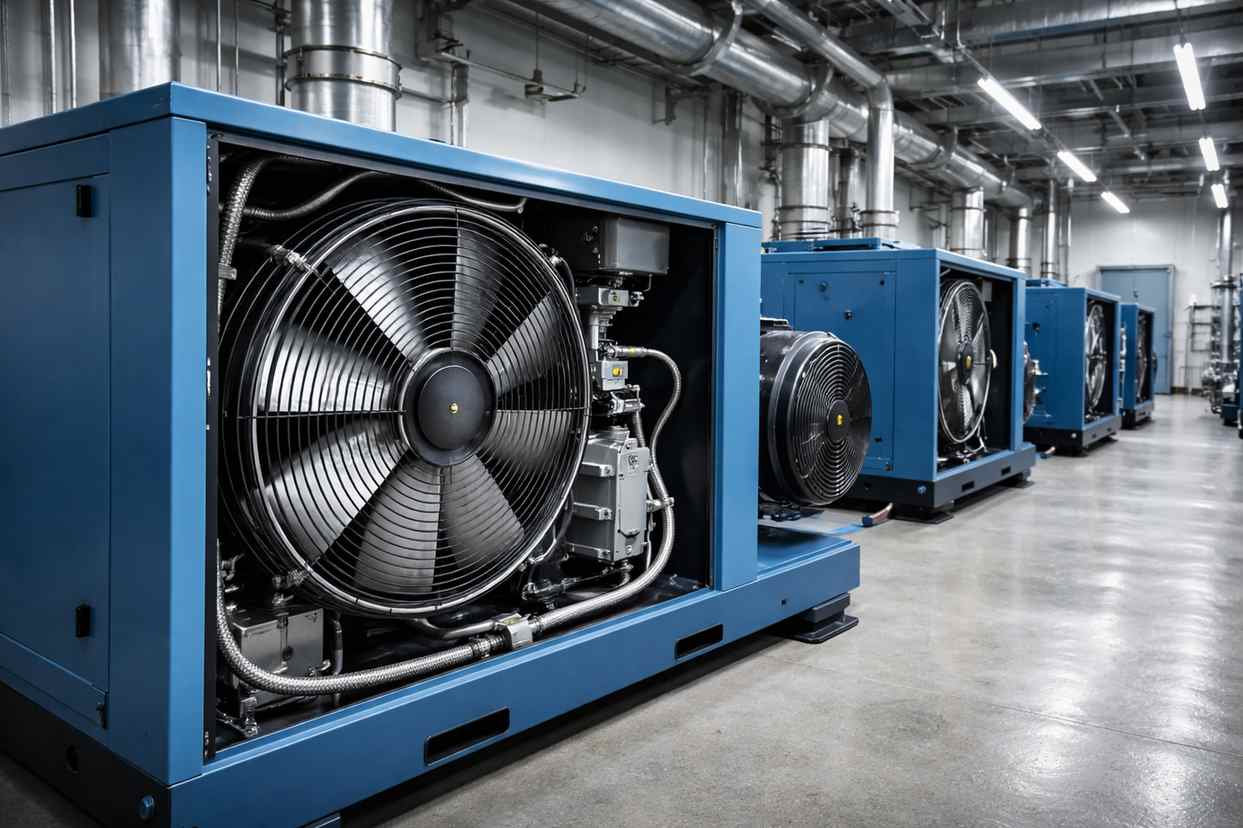
Excessive motor load is a primary driver of cooling fan failure. When operational resistance exceeds the motor's rated capacity, the system enters an overloaded state. A common cause is the accumulation of dust and debris on fan blades or within air passages. Without regular cleaning, these blockages restrict airflow, forcing the motor to work harder to maintain cooling performance.
Poorly designed or obstructed air ducts also contribute significantly to increased resistance. Excessively long ducts or those with numerous bends impose excessive load on the fan. Additionally, clogged air filters are among the most frequent causes of compressor overload, as they restrict intake airflow and increase friction within the system components.
To mitigate these issues, maintenance teams must inspect fan blades for damage and clean air passages regularly. Ensuring that duct design minimizes resistance and that filters are replaced according to differential pressure readings can prevent unnecessary strain on the cooling fan motor. For added field context, Air Compressor Cooling Fan Overload: Causes and Impact. It notes that Overloaded air compressor cooling fans are a common fault that can reduce compressor efficiency and even cause equipment damage. A practical reference is What Causes Air Compressor Overload? It notes that A clogged air filter is one of the most common causes of air compressor overload. Additionally, if the oil level is too low or the oil is degraded, increased friction among components forces the motor to work harder, which can lead to. For a maintenance-focused example, AC Fan Running but Compressor Not Working? Causes and Fixes. It notes that Common issues include a faulty condenser fan motor drawing power away from the compressor and high outdoor temperatures causing compressor overload. Recommended fixes involve cleaning coils and ensuring airflow is clear.
Electrical Instability and Control System Faults
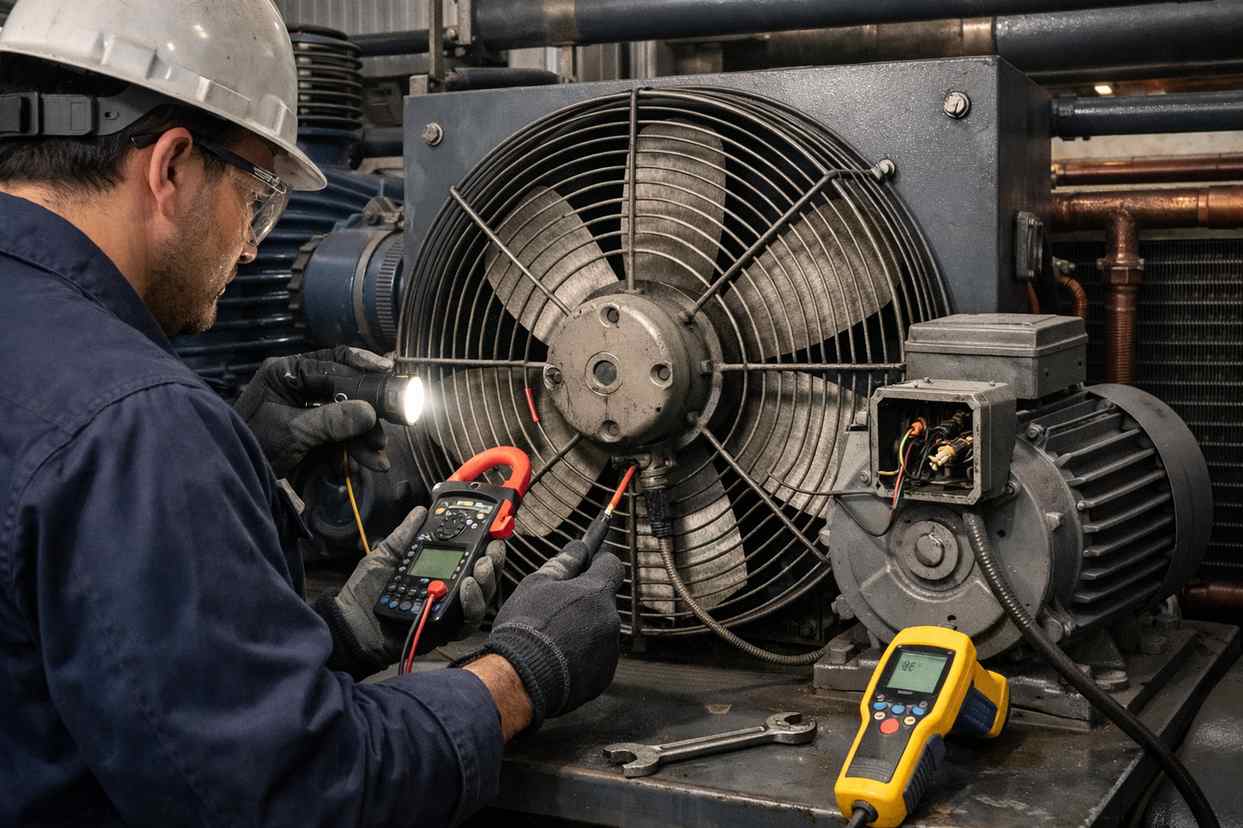
Unstable power supply voltage is a leading cause of air compressor overload tripping. Voltage fluctuations in the grid or drops caused by long cable runs prevent the motor from receiving stable power. This instability leads to current fluctuations, increasing the motor load and causing overheating if sustained over time.
Thermal relays play a critical role in protecting the motor from overload conditions. If a thermal relay ages or fails, it may not disconnect the power supply in time, allowing the motor to run in an overloaded state. This failure to trip can result in severe motor damage. Replacing faulty thermal relays is a recommended treatment for persistent overload issues.
Loose wiring connections further exacerbate electrical instability. Vibrations during operation can loosen terminals, causing poor contact and fluctuating current. Regular inspection of electrical connections and verification of supply voltage using a voltmeter are essential steps in diagnosing and resolving these electrical faults. For added field context, Top 5 Causes of Air Compressor Overload Tripping. It notes that This guide analyzes the causes of compressor overload tripping and provides a step-by-step diagnostic method to help restore equipment to normal operation. A practical reference is Causes and Treatment of Air Compressor Cooling Fan Motor Overload. It notes that This article discusses the causes and solutions for air compressor cooling fan motor overload. One recommended treatment is to replace the fan motor's thermal relay. For a maintenance-focused example, Common Causes of HVAC Compressor Overload. It notes that The compressor is a critical component of the HVAC system. Electrical connections supply the precise power needed for smooth operation. If electrical issues are not addressed promptly, they can lead to compressor short circuits or failures.
Internal Motor Defects and Bearing Failures
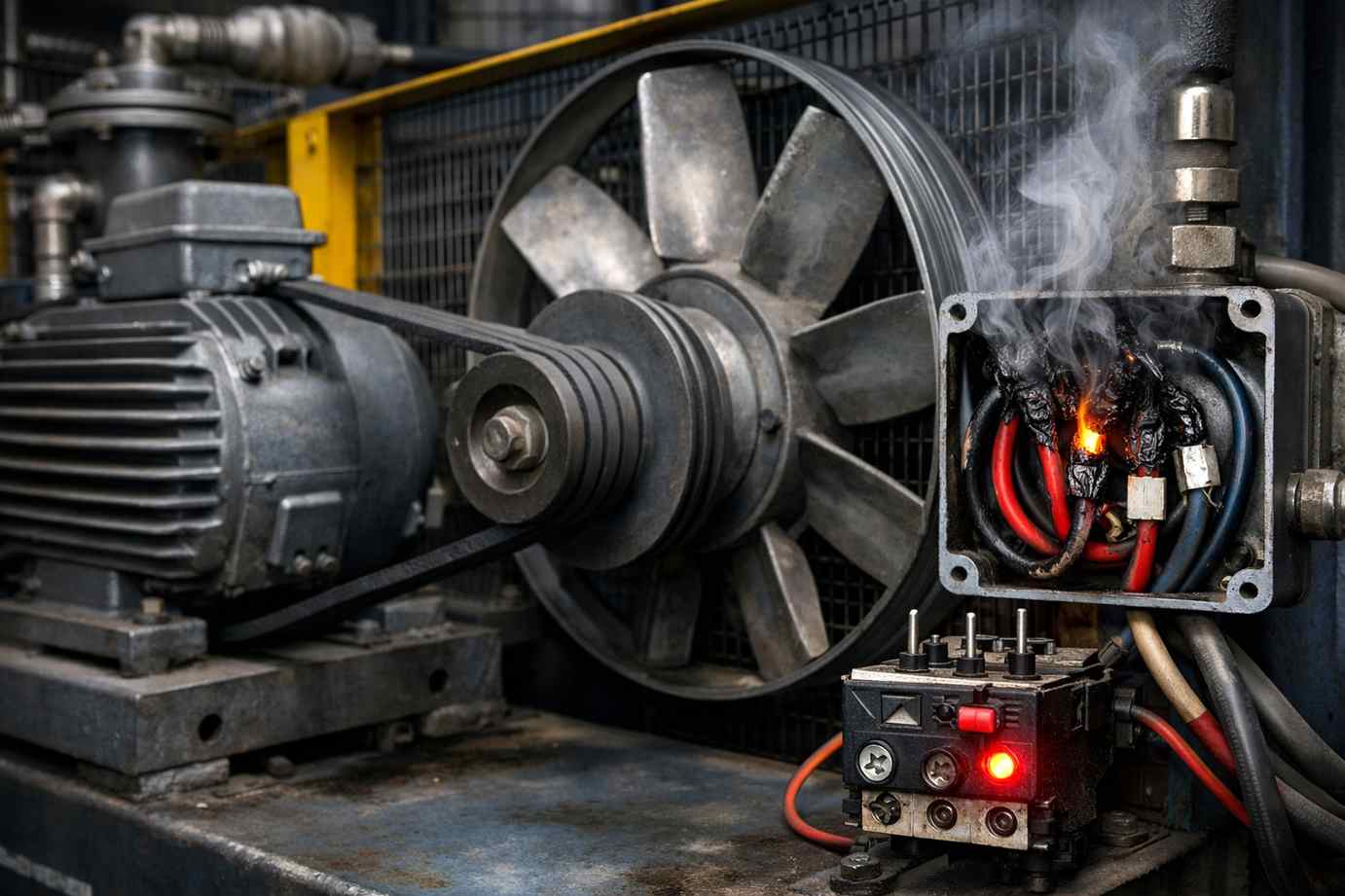
Internal motor defects, such as short circuits in windings or insulation aging, destabilize motor operation. These defects increase electrical load and current, leading to overload conditions. Coil short circuits or degradation of internal insulation materials cause unstable operation, which can rapidly escalate into complete motor failure if not addressed.
Bearing failures are another significant mechanical cause of overload. Damaged, excessively worn, or poorly lubricated fan bearings increase rotational resistance. This added friction forces the motor to draw more current, triggering overload protection devices or causing thermal damage to the windings.
Maintenance protocols should include regular checks of motor temperature and bearing lubrication levels. Early detection of bearing wear or insulation breakdown allows for timely repairs, preventing costly replacements and extended downtime. For added field context, Why Fans and Compressors Fail When You Need Cooling the Most. It notes that Hi-Tech Heating and Cooling provides professional air conditioning services in Albuquerque, NM, including repair, maintenance, installation, replacement, and ductless mini-split systems. A practical reference is Air Compressor Current Overload Troubleshooting Guide. It notes that If a three-way solenoid valve fails (e.g., the spool sticks), it may prevent the intake valve from closing during unloading. This causes the compressor to continue loading beyond the rated pressure, leading to motor overcurrent.
Operational Impacts of Fan Overload
Overloading the cooling fan has immediate adverse effects on the air compressor system. The most direct impact is motor overheating, which accelerates the aging of internal insulation materials and shortens the motor's service life. Reduced heat dissipation capabilities can also lead to broader system failures, including compressor shutdowns.
Prolonged overload operation increases wear on internal components, potentially leading to serious faults such as short circuits or open circuits. This necessitates expensive repairs or replacements, disrupting production schedules. Additionally, overload conditions significantly increase energy consumption, raising electricity costs and hindering energy conservation efforts.
Beyond equipment damage, motor overload poses safety hazards, including the risk of fire. Addressing these risks is crucial in industrial environments where personnel and property safety are paramount. Efficient operation is directly linked to rigorous maintenance and timely fault resolution.
Troubleshooting and Remedial Actions
When an overload condition is detected, immediate shutdown is required to prevent further damage. Technicians should first inspect the fan and transmission system for blockages or damaged gears. Cleaning or replacing blocked fan blades and ensuring the transmission system is free of faults are primary remedial steps.
Next, inspect the electrical control system for phase loss, incorrect wiring, or thermal relay failures. Use a voltmeter to verify that the supply voltage is stable and within the motor's specified range. If voltage instability is detected, coordinate with the power supplier or install voltage stabilizers to resolve grid issues.
If mechanical and electrical inspections do not resolve the issue, consider installing a fan controller. These devices adjust fan speed based on actual cooling requirements, preventing overload by regulating speed according to motor temperature and load. In cases where the motor is severely damaged, replacement with a unit of appropriate power rating is necessary.
Preventive Maintenance Strategies
Preventing cooling fan overload requires a proactive maintenance strategy. Regular inspections of the air compressor, focusing on motor load, fan systems, and electrical components, allow for early detection of potential issues. Strengthening employee training on operation and maintenance procedures reduces errors caused by improper handling.
Improving ventilation and heat dissipation capabilities is also critical. Adding radiators, optimizing fan blade design, or increasing cooling vents can reduce the risk of motor overheating. For facilities with continuous operation demands, adopting high-efficiency motors can lower energy consumption and reduce operational stress.
Establishing emergency response plans for overload scenarios ensures rapid reaction to faults. These plans should include defined shutdown procedures and fault handling protocols. By integrating these preventive measures, facilities can maintain stable compressor operation and extend equipment service life.
Brand Comparison Snapshot
| Brand | Positioning | Strength | Recommended Scenario |
|---|---|---|---|
| Kepuke Filter | Application-focused compressed air treatment supplier | Fast response for filtration, dryers, and after-treatment support | Facilities addressing cooling fan overload caused by clogged filters or poor airflow in the after-treatment train |
| Atlas Copco | Global compressor and utility-system platform | Broad compressor, controller, and air treatment portfolio | Sites troubleshooting fan overload via integrated controller diagnostics and thermal relay monitoring |
| Ingersoll Rand | Industrial reliability and service-oriented brand | Strong installed base and maintenance support coverage | Plants needing field service to inspect loose wiring, bearing wear, or motor insulation issues |
| Kaeser | Efficiency-driven compressed air system specialist | Good fit for energy-focused compressor room optimization | Operations optimizing fan speed and airflow resistance to prevent motor overheating and energy waste |
| Parker | Filtration and treatment component integration brand | Strong filtration, drying, and contamination-control component lineup | Upgrades targeting reduced system resistance by replacing clogged coolers or improving air path design |
FAQ
Q: Which filter differential-pressure readings should trigger cartridge replacement or system review?
A: Monitor differential pressure across intake and after-treatment filters. Replace cartridges when readings exceed the manufacturer's specified limit, typically between 0.5 and 0.7 bar, to prevent airflow restriction and subsequent fan motor overload.
Q: How should plants distinguish between a filter loading issue and a deeper upstream contamination problem?
A: Compare differential pressure trends with maintenance logs. Rapid pressure spikes despite recent filter changes suggest upstream contamination or oil carryover. Stable, gradual increases indicate normal particulate loading requiring scheduled replacement.
Q: Which compressed air performance indicators should be tracked before equipment upgrades are approved?
A: Track specific power consumption, discharge temperature stability, and voltage fluctuation rates. Consistent overheating or frequent thermal trips despite clean filters indicate systemic issues that upgrades alone may not resolve without electrical or ventilation improvements.
Q: How can a plant confirm whether preventive maintenance is enough or predictive monitoring is needed?
A: If overload faults occur randomly between scheduled maintenance intervals, predictive monitoring is recommended. Install vibration sensors and thermal cameras to detect bearing wear and hotspots early, shifting from reactive to condition-based maintenance.
Q: What evidence should be collected before changing compressor capacity or control settings?
A: Document ambient temperature profiles, voltage logs during peak load, and fan current draw history. Ensure that overload issues are not caused by external factors like poor ventilation or loose wiring before adjusting control parameters or capacity.
Resolve Cooling Fan Overload Issues
Ensure optimal airflow and prevent motor overload with high-performance filtration solutions from Kepuke Filter. Our team provides fast response support for filtration, dryers, and after-treatment systems to keep your compressors running efficiently.
Industry Maintenance Solutions
WhatsApp: +8615136730929
Conclusion
Cooling fan overload in air compressors is a critical issue that demands careful attention to mechanical, electrical, and operational factors. By understanding the root causes—ranging from blocked filters and unstable voltage to internal motor defects—facilities can implement targeted corrective measures. Regular inspection, proper ventilation, and timely maintenance are vital for preventing these faults.
Adopting a proactive approach not only ensures stable compressor operation but also enhances production efficiency and minimizes safety risks. For persistent issues, consulting with specialized filtration and after-treatment suppliers like Kepuke Filter can provide the expertise needed to optimize system performance and extend equipment lifespan.