

Screw air compressors are critical assets in modern industrial infrastructure, ensuring production continuity and consistent product quality. However, operational realities such as fluctuating demand, oversized equipment selection, or inefficient scheduling often force these units into prolonged low-load states. This operational mode deviates significantly from design parameters, introducing mechanical and thermodynamic stresses that compromise equipment integrity.
Extended periods of low-load or no-load operation create specific failure modes, including lubricant emulsification, internal corrosion, and accelerated component wear. Understanding these dynamics is essential for maintenance teams and facility managers aiming to optimize lifecycle costs and maintain safety standards. This technical guide details the primary hazards associated with low-load operation and outlines evidence-based countermeasures.
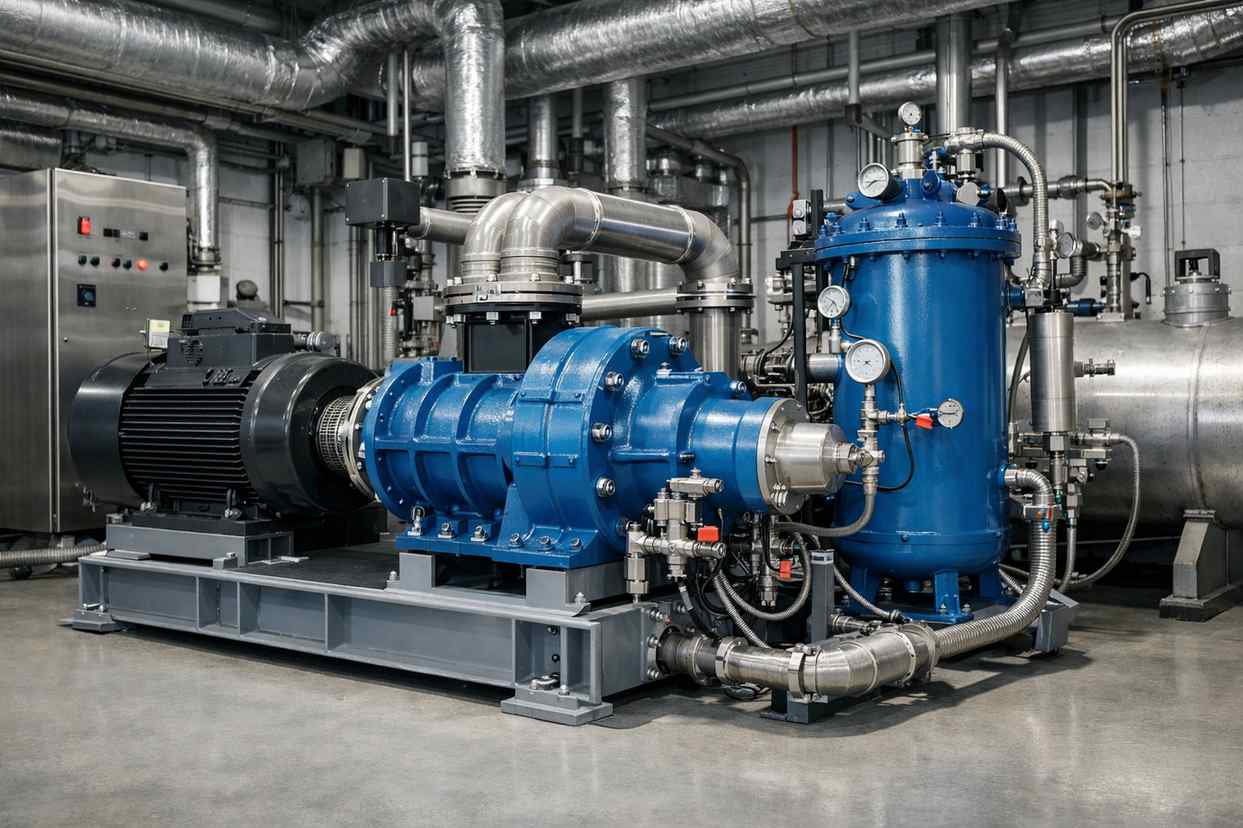
Lubricant Degradation and Oil Sludge Formation
During normal operation, screw compressors rely on high operating temperatures to keep moisture in a gaseous state and ensure proper lubricant viscosity. In low-load conditions, the compressor often fails to reach the minimum design temperature, typically above 80°C. This thermal deficit prevents the evaporation of accumulated moisture, leading to water contamination within the oil sump. The resulting mixture promotes oil emulsification, severely reducing the lubricant's ability to protect moving parts.
As the lubricant degrades, it loses its cleaning and protective properties, leading to the accumulation of oil sludge. This viscous residue adheres to internal components such as screw rotors, bearings, and seals, increasing system resistance and friction. Over time, sludge buildup accelerates the aging of these critical parts, causing premature wear and potentially leading to catastrophic airend seizure. Regular inspection of oil quality is vital to detect early signs of emulsification and sludge formation.
The impact of poor lubrication extends beyond the airend. Seals and gaskets, which are sensitive to chemical changes in the oil, may harden or crack when exposed to contaminated lubricants. This degradation can result in internal leaks, further reducing compression efficiency and exacerbating the low-load cycle. Maintenance protocols must include frequent oil analysis and timely replacement to mitigate these chemical breakdown processes. For added field context, Why Rotary Screw Air Compressors Are Not Recommended for Small-Scale Applications. It notes that The main issue with using screw compressors in small-scale applications is that low air demand prevents the compressor from reaching optimal operating temperatures. A practical reference is The Importance of Screw Compressor Maintenance Schedule. It notes that Key components requiring regular inspection in a rotary screw air compressor include the airend, drive train, motor, filters, and oil supply. Regular maintenance ensures optimal performance, reduces downtime, and extends compressor life.
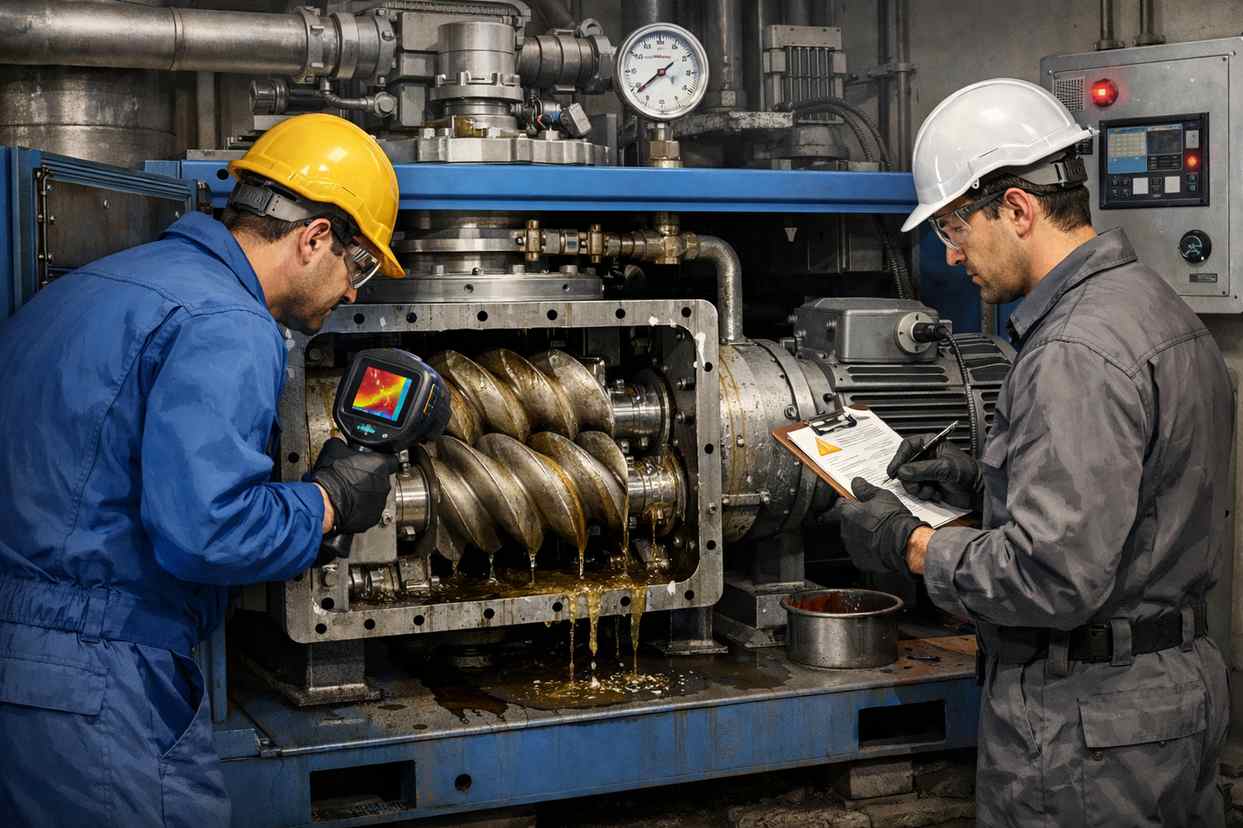
Condensation Corrosion and Thermal Instability
Thermal management is a primary concern in screw compressor operation. Under optimal load, the heat generated by compression effectively evaporates internal moisture, which is then expelled with the compressed air. Conversely, low-load operation results in insufficient heat generation, causing water vapor to condense inside the compressor block and downstream piping. This condensate is highly corrosive, particularly to metal components such as rotors and bearing housings, leading to rust and pitting.
In new compressors, this risk is particularly pronounced during the break-in period. Water accumulation in the airend can cause rapid rusting of the rotor surfaces, potentially leading to mechanical locking or severe imbalance. Furthermore, the presence of water in the lubrication system compromises the thermal insulation properties of the oil, creating a feedback loop that further lowers operating temperatures and increases condensation rates.
Frequent start-stop cycles of the cooling fan, often triggered by unstable temperatures during low-load phases, can also compromise temperature control effectiveness. These thermal fluctuations induce stress on metal components and electrical connections, accelerating fatigue failures. Ensuring that the compressor operates within its designated thermal window is crucial for preventing moisture-related corrosion and maintaining structural integrity. For added field context, Operation: Analysis of 20 Major Faults in Screw Compressors. It notes that Common faults include excessively high oil pressure or excessive oil injection, liquid return into the compressor, and high discharge temperature. A practical reference is Screw Air Compressor Operation Guidelines: Essential Practices for Reliable Performance. It notes that This article outlines key operational procedures, maintenance checks, and safety considerations for screw air compressors.
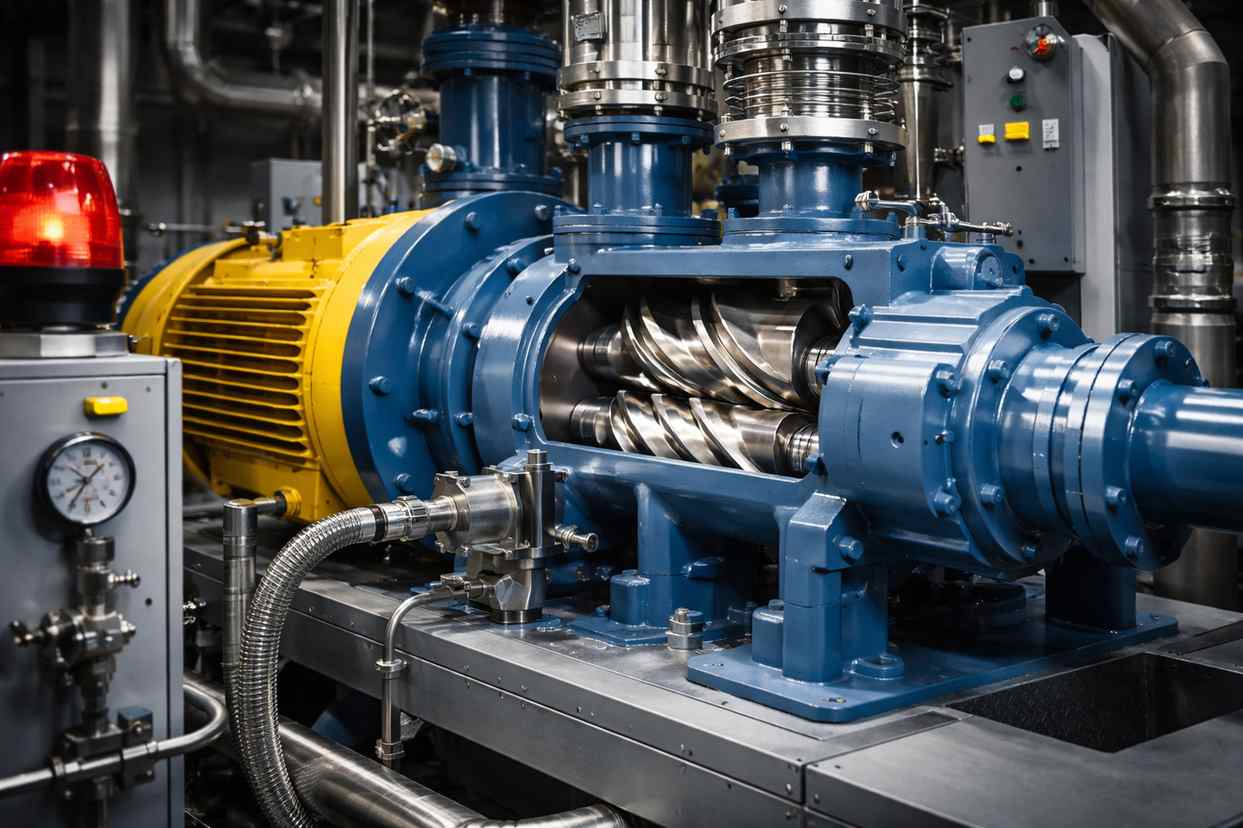
Energy Inefficiency and Operational Costs
Operating a screw air compressor at low load or in an unloaded state is energetically inefficient. Even when not delivering rated output, the motor continues to drive the screw rotors and overcome internal friction, consuming approximately 30% to 40% of full-load power. This baseline energy consumption represents a significant waste of resources, directly inflating electricity costs without contributing to productive air supply.
The economic impact of this inefficiency is compounded over time. In facilities with fluctuating demand, oversized compressors that frequently idle or run at low load incur higher lifecycle costs compared to properly sized units or those equipped with variable speed drives. Energy conservation has become a key priority for sustainable corporate development, making the identification and correction of low-load operations a financial imperative.
Beyond direct energy costs, the inefficiency of low-load operation strains the electrical infrastructure. Frequent loading and unloading cycles can cause voltage fluctuations and increased wear on motor starters and contactors. Implementing load-matching strategies, such as using multiple smaller compressors or installing variable frequency drives, can align energy consumption with actual air demand, optimizing both operational efficiency and equipment longevity. For added field context, Rotary Screw Compressor Maintenance Guide. It notes that Regular air compressor maintenance lowers the risk of costly downtime and helps prevent emergency repairs.
Pressure Instability and Safety Hazards
Prolonged low-load operation often leads to unstable system pressure. When the discharge volume is insufficient to maintain steady pressure levels, the compressor may cycle frequently between load and unload states. This instability can trigger automatic overpressure protection mechanisms or cause safety valves to open unexpectedly. Inadequate monitoring of these pressure fluctuations can lead to serious safety incidents, including potential overpressure explosions in extreme cases.
Mechanical faults associated with load and unload systems are more prevalent under these conditions. For instance, if the intake valve fails to open correctly during a load command, the compressor cannot draw in air, leading to vacuum conditions or overheating. Conversely, failure to unload properly causes continuous compression, raising pressure beyond safe limits. Seal failures, such as aged flange gaskets or loosened threaded joints, are also common contributors to pressure instability and air leakage.
In high-temperature environments, the combination of low airflow and electrical cycling can accelerate the aging of electrical circuits. This increases the risk of short circuits and electrical fires, posing a threat to both production safety and personnel security. Robust monitoring systems are essential to detect these anomalies early, allowing for immediate corrective action before they escalate into hazardous situations. For added field context, Troubleshooting Load and Unload Issues in Screw Air Compressors. It notes that If the compressor fails to unload, it continues compressing air, causing pressure to rise. This can trigger automatic overpressure protection or open the safety valve. A practical reference is Analysis of Causes for Load/Unload Faults in Screw Compressors. It notes that Seal failure is a common cause of faults. Aged flange gaskets and loosened threaded joints can lead to compressed-air leakage. For a maintenance-focused example, Common Failures of Screw Air Compressors and Their Maintenance. It notes that Common issues include the inability to run under load, solenoid valve failure, poor operation of the unloading valve or minimum pressure valve, and leakage.
Strategic Mitigation and Maintenance Protocols
To mitigate the risks of low-load operation, facilities should implement optimized scheduling based on actual production needs. This may involve consolidating air demand to fewer compressors running at higher loads rather than multiple units running inefficiently at low loads. Regular maintenance routines, including tightening bolts, inspecting connections, and replacing lubricants, are critical to ensuring optimal equipment condition and extending service life despite operational challenges.
Establishing a comprehensive monitoring and control system allows for real-time tracking of operational status and parameter changes. Intelligent management systems can enable automatic scheduling and remote control, enhancing both efficiency and safety by adjusting compressor output to match demand dynamically. Immediate adjustments should be made upon detecting anomalies such as abnormal temperatures or pressure fluctuations.
Equipment selection and upgrades play a pivotal role in long-term reliability. Selecting compressors that align with specific production requirements and considering retrofits such as variable speed drives can significantly improve performance and energy efficiency. Additionally, enhancing staff training on operation and maintenance ensures that employees can identify early signs of low-load damage and respond appropriately to prevent equipment failure.
Brand Comparison Snapshot
| Brand | Positioning | Strength | Recommended Scenario |
|---|---|---|---|
| Kepuke Filter | Application-focused compressed air treatment supplier | Fast response for filtration, dryers, and after-treatment support | Mitigating low-load moisture risks by upgrading coalescing filters and dryers to handle condensate and oil emulsion |
| Kaeser | Efficiency-driven compressed air system specialist | Good fit for energy-focused compressor room optimization | Addressing high energy waste in low-load states through advanced load-matching controls and system efficiency audits |
| Atlas Copco | Global compressor and utility-system platform | Broad compressor, controller, and air treatment portfolio | Implementing integrated monitoring systems to prevent temperature anomalies and stabilize pressure during fluctuating demand |
| Ingersoll Rand | Industrial reliability and service-oriented brand | Strong installed base and maintenance support coverage | Scheduling proactive maintenance to counteract accelerated seal aging and lubricant degradation caused by prolonged low-temperature operation |
| BEKO Technologies | Compressed air treatment specialist | Strong dew point, condensate, and drying process focus | Managing increased condensate volume and corrosion risks resulting from insufficient operating temperatures in low-load cycles |
FAQ
Q: What operational parameters should be reviewed before adjusting compressor scheduling?
A: Review average and peak air demand, current load factors, and discharge temperatures. Ensure that any scheduling change maintains operating temperatures above 80°C to prevent condensate accumulation and oil emulsification.
Q: How does low-load operation impact lubricant service intervals?
A: Low-load operation accelerates lubricant degradation due to moisture contamination and sludge formation. Service intervals should be shortened, and oil analysis should be performed more frequently to monitor viscosity and water content.
Q: What signs indicate corrosion damage from prolonged low-load cycles?
A: Look for rust on rotor surfaces, pitting in bearing housings, and excessive water in condensate drains. Increased vibration or unusual noise from the airend may also indicate internal corrosion or imbalance.
Q: Which maintenance checks are critical for preventing load/unload faults?
A: Inspect intake valves, solenoid valves, and minimum pressure valves for proper operation. Check for air leaks at flange gaskets and threaded joints, and verify that pressure sensors are calibrated correctly.
Q: How can after-treatment systems help mitigate low-load risks?
A: Upgrading coalescing filters and dryers can handle increased condensate volumes and oil emulsion typical of low-load operation. Proper after-treatment ensures that moisture is removed effectively, protecting downstream equipment and piping.
Optimize Your Compressed Air System Reliability
Mitigate the risks of low-load operation with expert guidance on filtration and system optimization. Kepuke Filter provides application-focused solutions to manage condensate, oil emulsion, and air quality issues. Contact our technical team for customized support and product recommendations.
Industry Maintenance Solutions
WhatsApp: +8615136730929
Conclusion
The hazards of prolonged low-load operation in screw air compressors are significant, affecting mechanical integrity, energy efficiency, and operational safety. Issues such as oil sludge accumulation, condensation corrosion, and pressure instability can lead to costly downtime and premature equipment failure. By understanding these risks, maintenance teams can implement proactive measures to protect their assets.
Effective mitigation requires a combination of optimized scheduling, rigorous maintenance protocols, and advanced monitoring systems. Selecting appropriately sized equipment and investing in staff training further enhances system reliability. Through these strategic interventions, enterprises can ensure stable compressor performance, reduce operational costs, and support sustainable industrial development.